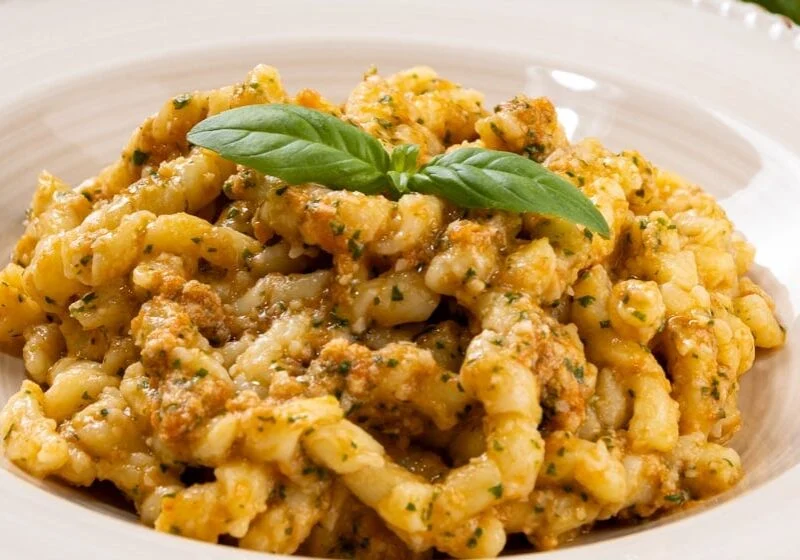

bohemianwanderer – This vibrant pasta combines roasted almonds, fresh tomatoes, basil, and pecorino for a rich Sicilian-inspired sauce. The recipe serves four.
Start by heating the oven to 180C (160C fan)/350F/gas 4. Line a baking tray before preparing the almonds.
Spread 85g of blanched almonds across the prepared tray. Sprinkle them lightly with sea salt before placing them in the oven.
Roast the almonds for approximately 13 minutes. They should become lightly golden and develop a deeper roasted flavor.
Remove the almonds from the oven and leave them to cool completely. Cooling prevents excess heat from affecting the pesto’s fresh ingredients.
Once cooled, transfer the almonds to a pestle and mortar, stand blender, or hand-held blender. Add 250g of finely diced tomatoes.
Pour in 75ml of extra-virgin olive oil. Add one peeled garlic clove that has been halved and had its germ removed.
Season with a generous pinch of sea salt. Blend everything until almost smooth while retaining several small pieces for texture.
The almonds should provide body while the tomatoes create the pesto’s fresh character. Avoid blending the mixture completely smooth if you prefer a more textured sauce.
Add 10g of fresh basil leaves to the mixture. Then add 45g of grated pecorino.
Pulse the mixture several times until the basil has broken down and combines with the other ingredients. Taste the pesto and adjust the salt when necessary.
The finished pesto should remain relatively fresh and coarse rather than becoming completely uniform. Its flavor comes from balancing roasted almonds, tomatoes, basil, garlic, and salty pecorino.
Toss the Pasta With Pesto and Starchy Water
Choose between 320g and 400g of pasta for four servings. Suitable options include busiate, penne, spaghetti, bucatini, and fusilli.
Cook the pasta according to the package instructions. Remove it from the cooking water approximately one minute before it becomes fully cooked.
Reserve some of the starchy pasta water before draining the pasta. This liquid will help loosen and emulsify the pesto during the final cooking stage.
While the pasta cooks, transfer the pesto to a suitable pan. Add a small ladleful of the reserved pasta water.
Once the pasta is nearly ready, increase the heat to medium. Add the pasta directly to the pesto mixture.
Toss the pasta vigorously back and forth in the pan. Add additional pasta water gradually whenever the sauce needs loosening.
Continue tossing until the pesto thickens and develops a glossy consistency. The sauce should coat the pasta evenly without becoming excessively thick.
Taste the pasta and adjust the seasoning as required. The pecorino already provides saltiness, so additional seasoning should be added carefully.
A few drops of lemon juice can provide a useful final adjustment. Add only enough to balance the dish without making the lemon flavor noticeable.
The combination of tomato acidity and lemon helps offset the richness of the olive oil and almonds. The result should remain balanced rather than sharply acidic.
Plate the pasta immediately while the sauce remains glossy and well emulsified. Finish each serving with additional fresh basil leaves.
Drizzle a small amount of good-quality extra-virgin olive oil over the pasta. Finish with another grating of pecorino before serving.
The roasted almonds give the pesto a distinctive texture and nutty depth. Fresh tomatoes keep the sauce bright while providing its primary fruity character.
Basil adds an aromatic herbal note that complements both the almonds and tomatoes. Pecorino contributes a savory, salty finish that brings the ingredients together.
The pasta should be served immediately after tossing. This preserves the sauce’s glossy texture and allows the fresh basil and tomato flavors to remain prominent.